

1. Relate
2. Rescue
rapport with the children living on the streets, following an agreed process, the child is removed from the streets and taken to a Government Rehabilitation Centre or directly to their own family.
3. Reunite
4. Restore
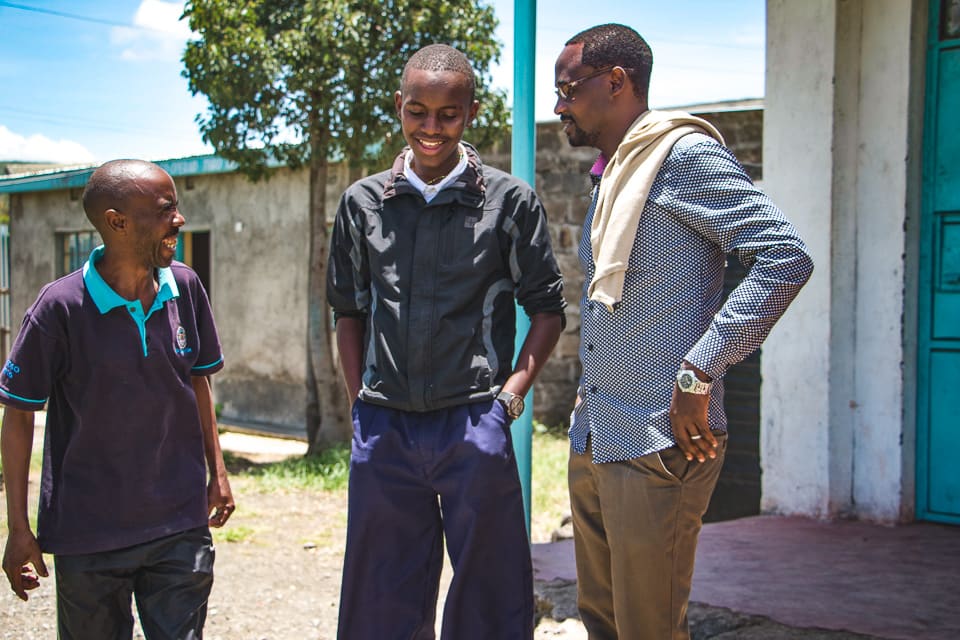
The reintegration, restoration and transformation of the child is a long process which must involve the family as well.
FOLLOW UP
We measure the success of our programs not only by the number of children we have safely returned home but also by the progress they make with their reintegration in the family and community, their school progress, their health and wellbeing. We follow closely the short term and long term transformation of each child.
We call this process Follow Up.
This is the term used to refer to a range of activities for children and their families as well as for any care-giver to facilitate the restoration. The activities may include social and economic support. When conducting follow up, we look out for the interest of the child; assessing the child’s full situation which includes but not limited to:
After a successful reunification and restoration, the follow-up of the child’s situation and his/her needs continues. After an agreed period of follow- up and assessment, based on the social worker judgments of the child’s wellbeing, the case is closed.
We partner with the local government, churches, school boards and the community in general to keep the children in school. It costs us Ksh 30,000 (£250) to rescue one child from the streets as well as make four family follow up visits. Our success rate is very encouraging – for every 100 rescued from the street, 96 will remain at home, join school or take vocational training and some who fall back eventually return home.
After children are reunited with families, we follow up through family visits to ensure regular attendance in school and that they are receiving parental care. Some parents need training on parental skills, economic empowerment to redress the issues in their family.